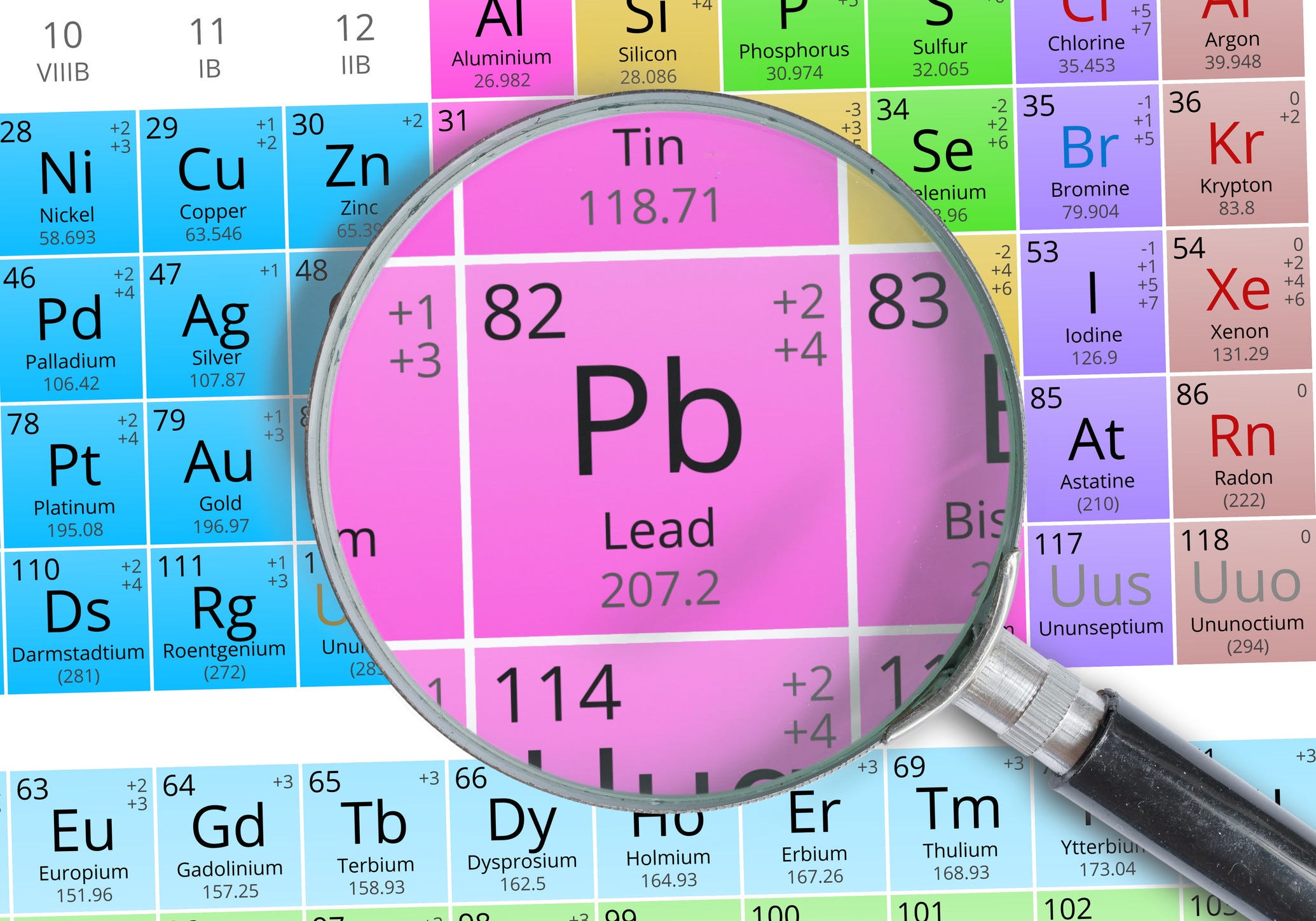
Lead poisoning is often filed away as a solved problem, a relic of leaded gasoline and old paint chips that regulation has already handled. It has not been handled. Long after leaded paint was banned and water regulations tightened, traces of the metal still move through modern life in old pipes, imported goods, cosmetics, soil, and household dust. The Centers for Disease Control and Prevention is direct about the core fact that makes lead different from most environmental hazards: no safe blood lead level has ever been identified in children (CDC, 2021).
The Unseen Threat
Lead has no taste and no smell, and small doses produce no immediate symptoms, which is precisely what makes it dangerous. CDC uses a blood lead reference value of 3.5 micrograms per deciliter to flag children with unusually high exposure and prompt follow-up, a threshold lowered from 5.0 µg/dL in 2021 based on national exposure data (CDC, 2021). It is worth being precise about what that number means: it is an action level identifying the top 2.5 percent of exposure in US children, not a line below which lead is considered safe. Even low exposures are associated with reduced cognitive function and developmental delays in children.