

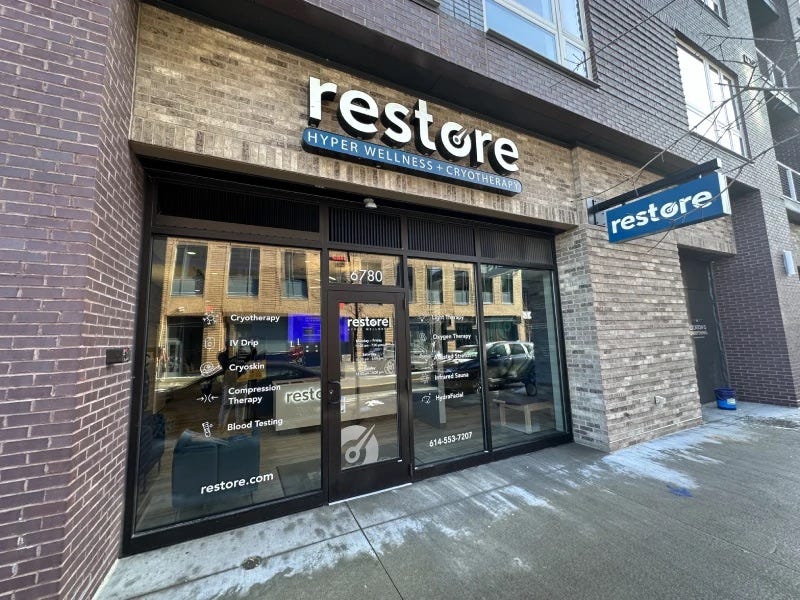
Walk into a Restore Hyper Wellness center and the paradox is immediate: a place that looks futuristic but feels primal. The hum of oxygen machines, the cool mist of nitrogen, the glow of red light, each detail exists for a specific physiological reason, even if the strength of evidence behind each one varies considerably.
The underlying philosophy is straightforward: the body has real capacity to heal and adapt, given the right environment and appropriate stress. The foundation of this approach is not indulgence. It draws on a real biological concept called hormesis, controlled, short-term stress that can stimulate longer-term resilience, the same basic principle behind exercise and intermittent fasting.
The Principle of Hormesis: Stress as Medicine
Hormesis describes the process by which the body becomes more resilient through controlled exposure to mild stress, and exercise, fasting, and temperature extremes are the most studied real-world applications of the concept. In principle, therapies built on this idea, cryotherapy, heat exposure, and light exposure among them, challenge the body in small, precise ways intended to trigger adaptive repair processes. In practice, the strength of the evidence behind each specific therapy varies a great deal, and it is worth being precise about which claims are well supported and which remain closer to plausible hypothesis.
Cryotherapy: The Cold Catalyst
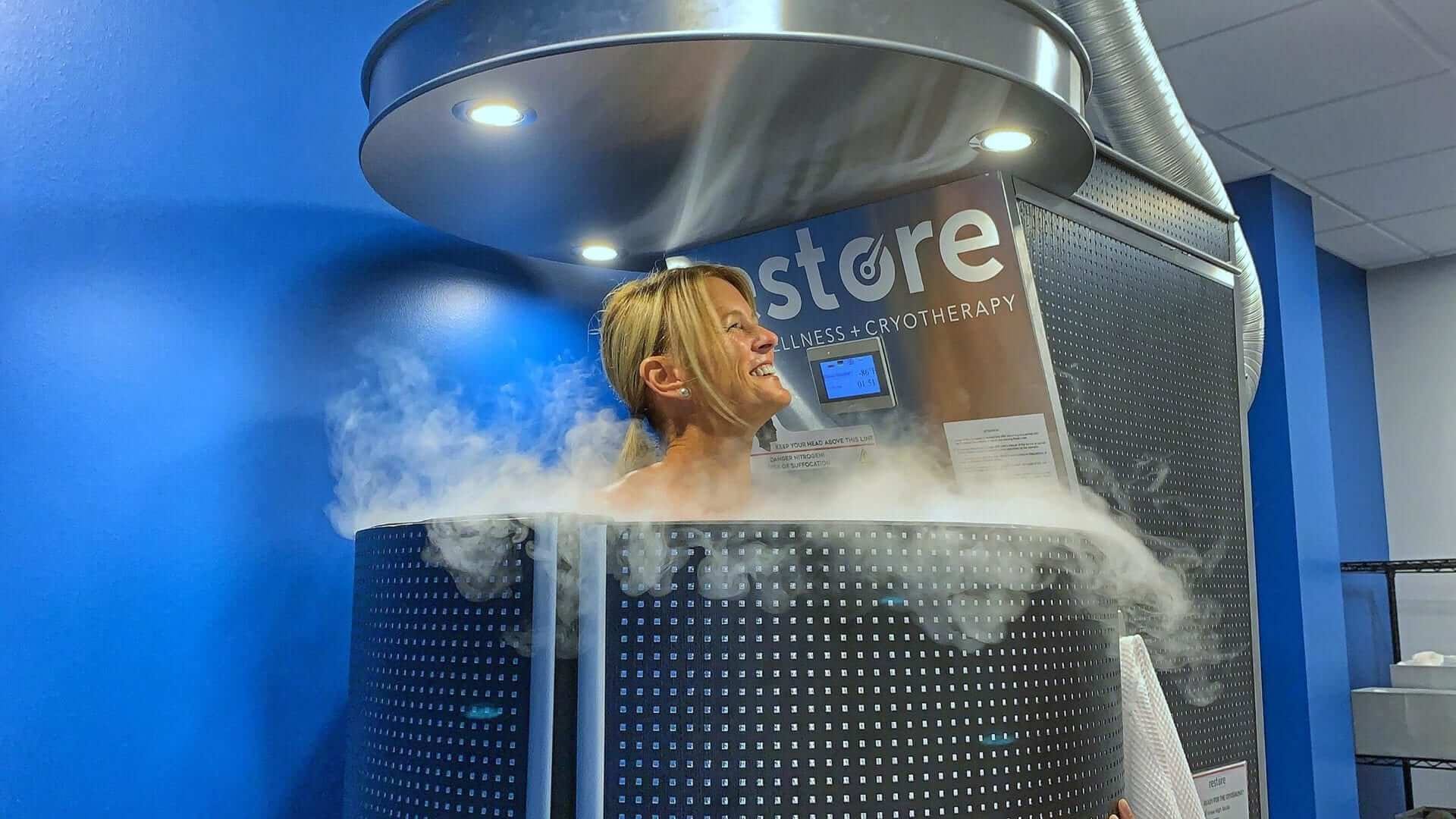
Whole-body cryotherapy, brief exposure to extremely cold air, typically for two to three minutes in chambers well below freezing, is Restore’s most recognized offering. The evidence behind it is real but more nuanced than marketing materials typically suggest. A 2026 systematic review and network meta-analysis found cryotherapy did not significantly reduce delayed-onset muscle soreness immediately after exercise, but it consistently improved jump performance and recovery measures in the 1 to 48 hour window afterward, an effect researchers attribute partly to autonomic nervous system regulation (systematic review, 2026). The overall methodological quality of cryotherapy research is described in the literature as moderate rather than strong. That does not mean the therapy does nothing. It means the honest claim is “helps with specific recovery measures on a specific timeline,” not “cascading, comprehensive metabolic transformation.”
The genuinely interesting and better-supported claim, cold-induced activation of brown and beige fat tissue affecting metabolism, is a real and active research area, though most of the strongest evidence involves sustained, repeated cold exposure over time rather than brief whole-body cryotherapy sessions specifically, and readers should not assume a few minutes in a cryo chamber produces the same metabolic effect as the research protocols studied.
Infrared Sauna: Heat as Restoration

Infrared saunas use light waves to heat the body directly rather than heating the surrounding air, penetrating tissue to raise core temperature more gently than a traditional sauna. This is a real mechanism, and there is genuine research, much of it from traditional Finnish sauna studies rather than infrared specifically, connecting regular heat exposure to improved circulation and cardiovascular markers. It is reasonable to describe infrared sessions as gentle cardiovascular conditioning; it overstates the evidence to describe them as equivalent to exercise. The parasympathetic relaxation response associated with heat exposure is well documented and is probably the most reliably supported benefit of this specific therapy.
Red Light Therapy: Powering the Cells

Red and near-infrared light therapy, or photobiomodulation, has a genuinely interesting and well-documented origin: NASA began studying LED light for wound healing in the 1990s after researchers testing LEDs for plant growth experiments noticed their own minor cuts and abrasions seemed to heal faster under the lights. Follow-on research supplied LED devices to US Navy personnel and found more than 40 percent greater improvement in musculoskeletal injury recovery and roughly 50 percent faster healing of lacerations compared with controls (NASA Spinoff, 2005). The proposed mechanism, red and near-infrared wavelengths stimulating mitochondrial ATP production, is biologically plausible and reasonably well studied for tissue repair and inflammation specifically. Claims about cognitive benefits from red light therapy are considerably newer and more preliminary, and should be read as an promising early research area rather than an established effect.
IV Drip Therapy: A Claim Worth Real Scrutiny

This is the section requiring the most direct correction. It is true that intravenous nutrient delivery bypasses digestive absorption, and IV nutrient therapy has clear, well-established value in specific medical contexts: malabsorption, severe dehydration, and certain diagnosed deficiencies. It is not true, based on current evidence, that IV vitamin infusions produce a reliable “measurable boost in hydration, energy, and vitality” in otherwise healthy people. Mayo Clinic’s own patient-facing guidance describes IV vitamin therapy for general wellness as a health trend with a documented lack of proven benefit in healthy individuals, alongside real risks including fluid overload and vitamin toxicity at high doses (Mayo Clinic Press, 2025). Athletes and healthy adults without a diagnosed deficiency are, by the current evidence, unlikely to get meaningfully more benefit from an IV vitamin drip than from adequate hydration and a normal diet.
Compression Therapy: Circulation and Recovery
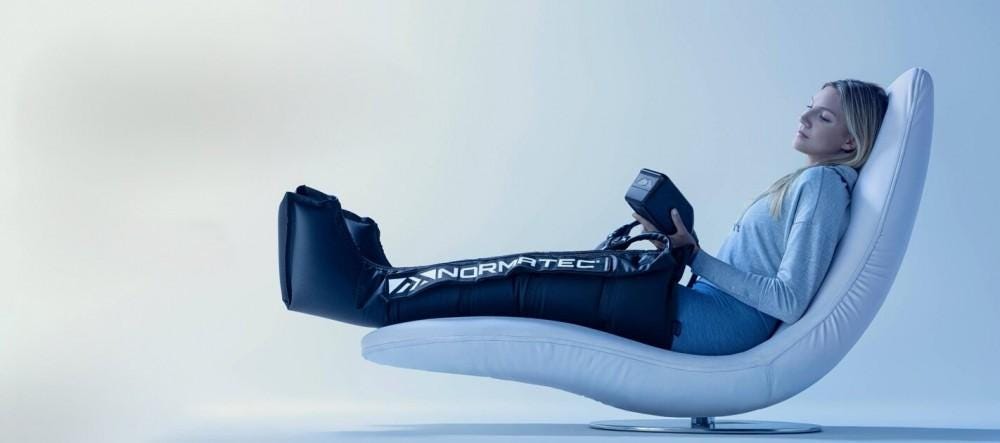
Compression therapy, rhythmic pneumatic sleeves that mimic natural muscle contraction to move blood and lymphatic fluid, has the most straightforward and well-established evidence base of the therapies discussed here. It reliably supports venous return and helps manage swelling, and its physiological mechanism is well understood and non-controversial. This is worth stating plainly since so much of the rest of this category is more contested.
Oxygen Therapy: A Genuine Safety Concern
This section requires the most caution of all. Restore and similar wellness centers offer both hyperbaric (pressurized) and normobaric oxygen delivery, often marketed for general fatigue reduction and cognitive clarity. It is important for readers to understand that the FDA has cleared hyperbaric oxygen therapy for a specific, limited list of medical conditions, decompression sickness, carbon monoxide poisoning, and certain wound-healing indications among them, and has not cleared it for general wellness use. The FDA has issued explicit public warnings about “HBOT Lite” and similarly marketed mild hyperbaric services operating outside approved clinical settings, and state lawmakers in multiple states began considering new hyperbaric safety regulations in 2025 after reported consumer deaths linked to improperly operated chambers (FDA, 2024; Stateline, 2025). None of this means hyperbaric oxygen therapy is inherently dangerous when properly administered for an approved medical indication under clinical supervision. It does mean that wellness-oriented marketing of oxygen therapy for energy, focus, or general vitality is operating well outside what regulators have actually approved, and readers considering this specific therapy should ask directly what medical indication is being treated and under what supervision.

Integration and Who It’s For
Restore markets its combined offering as a synergistic system, cold for alertness, heat for relaxation, light for cellular repair, nutrients for replenishment, compression for circulation, oxygen for metabolism. The individual mechanisms described are real, even where the evidence for each is stronger or weaker than the marketing suggests. The ecosystem appeals broadly: athletes seeking recovery, professionals managing chronic stress, people managing inflammatory conditions, and general wellness-focused clients. That broad appeal is exactly why it matters to separate well-supported claims from aspirational ones therapy by therapy, rather than accepting the combined narrative uncritically.
Safety, Supervision, and Honest Marketing
Clinical oversight and staff training on contraindications are genuinely important differentiators for any recovery-therapy provider, and conditions like pregnancy, uncontrolled hypertension, and cardiovascular disease should always be discussed with a treating physician before starting cryotherapy, IV infusion, or oxygen therapy specifically. The most useful thing a consumer can do before paying for any of these services is ask which specific claims are backed by controlled research on the exact therapy being offered, at the exact dose and duration being offered, rather than research on a related but different intervention or condition.
Conclusion
The individual mechanisms behind cold exposure, heat exposure, light therapy, compression, and oxygen delivery are grounded in real physiology. The honest version of this story is not that recovery science is fake. It is that the evidence supporting each specific modality varies considerably, from compression therapy’s solid, uncontroversial mechanism to hyperbaric oxygen’s active FDA warning for exactly the kind of general wellness use being marketed. Genuine wellness journalism should hold both of those facts at once rather than flattening an entire category into either uncritical endorsement or blanket dismissal.
W3 Evidence Index™
W3 Evidence Index™ Score: 5.4/10
Confidence Level: Moderate Confidence
Full category breakdown, assessment, and limits available below for paid subscribers.
