

When the sharp vibration of an emergency alert cuts through the silence of a room, it captures attention instantly. A few short words flash across the screen, SAFE Alert, shelter in place, missing child, severe weather warning, and for a brief moment, every phone in range becomes a link in a national safety net. These notifications are the modern language of urgency. Yet few people understand how they work, where they come from, or what they actually mean.
Public preparedness has entered a new era. It is no longer defined only by sirens or broadcast interruptions, but by digital messages that can spread at the speed of panic. The promise is immediate communication. The challenge is maintaining trust.
The Sound of Modern Emergency
America’s public warning system has evolved from air raid sirens and radio interruptions into a vast, interconnected network called the Integrated Public Alert and Warning System, or IPAWS, managed by the Federal Emergency Management Agency. This network delivers messages across television, radio, smartphones, and highway signs to reach people wherever they are.
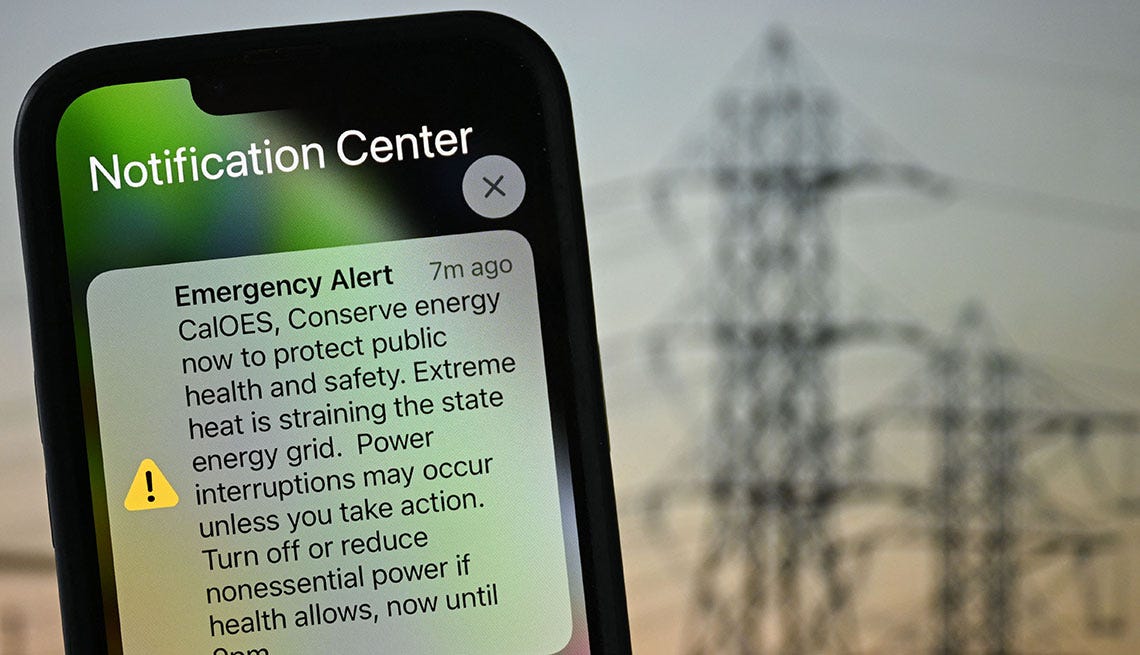
Among these alerts is the SAFE Alert, a message issued by law enforcement or local agencies, most notably in states like Arizona, to inform communities about a missing person whose life is believed to be in peril. It joins a family of alerts that includes AMBER, Silver, and Blue Alerts, each serving a distinct purpose, though it is worth being precise that several of these, including SAFE and Silver Alerts specifically, are state-level programs built on shared IPAWS infrastructure rather than uniform nationwide categories with identical criteria everywhere. Most people receive these alerts passively, unaware of the complexity behind them, yet their existence represents one of the more ambitious undertakings in public communication history: closing the gap between danger and awareness.
What Makes an Alert Safe
Unlike routine weather warnings, which come from the National Weather Service, SAFE Alerts typically deal with human-caused threats, public safety incidents or hazards requiring immediate community attention, and can be issued at the local, state, or federal level depending on the situation.
Each message follows strict authorization procedures. Before an alert broadcasts, it passes through IPAWS, which verifies that the sender is an approved authority and authenticates the message through digital certificates, a system designed specifically to prevent false alarms from unauthorized sources. Still, technology is only as reliable as the people behind it, and history has shown that even well-intentioned alerts can create real chaos if mishandled.
The Psychology of Panic
When an emergency alert appears, the human brain reacts before it reasons. The amygdala, which processes fear, triggers a rapid response that releases adrenaline and cortisol, a surge that heightens focus but narrows thinking, making calm decision-making genuinely difficult in the moment.
Emergency management researchers describe a real paradox of preparedness: the very systems designed to save lives can, if poorly delivered, increase confusion. Too little information breeds uncertainty. Too much detail can overwhelm. A 2025 study of wireless emergency alerts found that warning fatigue, the public tendency to disengage from or opt out of alerts entirely, is driven specifically by alert frequency, relevance, and message content, and produces measurable mental strain and physiological stress in both the public and the emergency personnel issuing the warnings (Sutton & Wood, 2025). Clarity, tone, and timing all matter. A message that feels urgent but vague can provoke anxiety without providing guidance, while alerts that appear too often or turn out false can dull public sensitivity and reduce future compliance.
Lessons from False Alarms
In January 2018, residents of Hawaii received a message on their phones: “Ballistic missile threat inbound to Hawaii. Seek immediate shelter. This is not a drill.” The alert had been triggered by a worker who missed the drill’s standard “exercise, exercise, exercise” framing language during a shift change and believed the threat was real. For 38 minutes, until a corrected alert went out at 8:45 a.m., panic spread across the islands: families sought shelter, drivers abandoned vehicles, and hospitals fielded a surge of calls. The delay in correcting the alert stemmed partly from the fact that no automated way existed to retract the first message, requiring manual coordination with FEMA before the correction could be sent.
A subsequent CDC study analyzing social media reactions to the incident found the consequences extended well beyond the 38 minutes of confusion, including documented anxiety and altered risk perception among residents in the following weeks (Centers for Disease Control and Prevention, 2018). This is the delicate balance emergency managers must navigate: every alert must be fast, factual, and measured, since anything less risks eroding public confidence in the entire system.

The Digital Threat Landscape
Today’s emergency infrastructure is more complex than ever, with multiple agencies, platforms, and data sources connected through the internet, making alert systems a plausible target for cyber interference. Homeland security assessments have repeatedly flagged the risk that adversaries could exploit weaknesses in local systems to send unauthorized messages or disrupt communication channels entirely, and even a brief false alarm could trigger public panic or divert critical emergency resources. FEMA and the Cybersecurity and Infrastructure Security Agency have invested in stronger encryption, secure gateways, and rigorous training for authorized alert senders in response, though true digital resilience depends on cross-jurisdictional cooperation as much as on the technology itself. Preparedness in the digital age is about more than responding to hurricanes or wildfires. It increasingly involves defending the integrity of the information itself.
Resilience Through Understanding
Preparedness begins long before an alert sounds, with a basic understanding of what each alert type means and how to respond. AMBER Alerts involve abducted children. Silver Alerts focus on missing seniors. Blue Alerts warn of threats to law enforcement. SAFE Alerts address localized threats, missing vulnerable adults, or community hazards that do not fit other classifications, and vary somewhat by state in how and when they are issued.
The key is response, not reaction. When an alert arrives, pause before acting, verify information through local authorities or official channels, and avoid sharing unconfirmed reports on social media, since misinformation can spread faster than verified updates. Communities that understand their alert systems become more resilient, transforming from passive recipients of fear into active participants in their own safety.
The Ethical Balance of Speed and Accuracy
Every second matters during a crisis, but haste can cause real harm. Overuse of alerts can produce alert fatigue, a documented decline in public responsiveness over time; underuse can be even more dangerous, leaving people unprepared when a genuine threat arrives. Emergency communication is fundamentally an ethical balancing act: the duty to inform without inciting panic, to protect without overwhelming.
Public trust in the broader information environment surrounding these alerts has genuinely declined. Pew Research Center’s most recent tracking finds 56 percent of US adults now say they have at least some trust in national news organizations, down from considerably higher levels in prior years, with a substantial partisan gap, 69 percent among Democrats and just 44 percent among Republicans, and adults under 30 now trusting social media roughly as much as traditional news outlets (Pew Research Center, 2025). In an environment already this fragmented, alerts need to function technically and feel credible emotionally. Transparency, consistency, and clear post-alert communication are essential to maintaining what trust remains.
The Future of Emergency Communication
The next generation of alert systems is being designed to adapt and learn. Artificial intelligence and machine learning are increasingly integrated to filter data, detect threats faster, and personalize notifications by location and severity. Some regions already use location-based technology to limit alerts to genuinely affected areas, reducing unnecessary disruption elsewhere, and future systems may translate warnings into multiple languages automatically, prioritize high-risk populations, and calibrate tone to minimize unnecessary panic. Smart infrastructure, connected traffic signals or building sensors, may eventually synchronize with alert systems to assist with evacuations directly.
Federal preparedness policy has long framed this as fundamentally collaborative: Presidential Policy Directive 8 on National Preparedness explicitly describes preparedness as a shared responsibility across government, private sector, and individual citizens, not something any single technology or agency can deliver alone. The most sophisticated alert system in the world accomplishes little if the people it serves do not trust or understand it.
The Role of Education
Public education about alert systems remains limited. Many Americans do not know the practical difference between an advisory, a watch, and a warning, and few realize they can customize alert settings or enable accessibility features for people with hearing or vision impairments. Integrating alert literacy into school safety programs, community training, and workplace emergency plans could meaningfully improve national readiness. Preparedness should never be treated as paranoia. It is participation in the safety of a community.
Conclusion
The purpose of an alert is simple: reach people in time. Behind every vibration, tone, and flashing banner is an entire ecosystem of policy, psychology, and human responsibility, tested repeatedly by real incidents like Hawaii’s 2018 false alarm and reshaped by declining public trust in institutions more broadly. The next time a phone buzzes with an alert, it is worth pausing before swiping it away. That message represents a partnership between systems and citizens, one that depends on understanding as much as on technology, and preparedness built on that understanding is not rooted in fear. It is built on connection and the steady confidence that comes from knowing what to do when it matters.
W3 Evidence Index™
W3 Evidence Index™ Score: 7.0/10
Confidence Level: High Confidence
Full category breakdown, assessment, and limits available below for paid subscribers.
